After a power outage, an air conditioner may not restart correctly because breakers, safety switches, thermostat settings, or electrical components can be affected by the interruption. In Peoria, AZ, where cooling systems are essential during extreme heat, homeowners should know what to check safely and when to schedule ac repair or emergency ac repair.
Power outages can happen during storms, grid strain, equipment failure, or planned electrical work. Even when power returns, the AC system may not immediately work as expected. Some problems are simple, such as a tripped breaker or thermostat reset. Others may involve damaged capacitors, contactors, control boards, or wiring. Understanding the difference can help homeowners avoid unnecessary system strain and protect indoor comfort.
Why Can a Power Outage Affect an AC System?
An air conditioner relies on steady electrical power to run safely. When power suddenly stops, the system shuts down without its usual cooling cycle. When power returns, the unit may try to restart immediately, especially if the thermostat is still calling for cooling.
This sudden interruption and restart can place stress on electrical parts. If the outage included a power surge, sensitive components may be affected. Capacitors, relays, fuses, control boards, and motors can all respond poorly to unstable power.
In Peoria’s summer heat, an AC system may already be running for long periods before an outage occurs. If power comes back during peak heat, the unit may face high demand right away. That is why it is important to check the system carefully before assuming everything is fine.
What Should Homeowners Check First?
The first safe step is to check the thermostat. Confirm that it is set to cooling mode and that the temperature setting is lower than the indoor temperature. Some thermostats may reset after an outage, lose programmed settings, or need fresh batteries.
Next, check the circuit breaker panel. If the AC breaker has tripped, turn it fully off and then back on one time. If it trips again, do not keep resetting it. Repeated breaker trips can point to a deeper electrical issue that requires air conditioning repair.
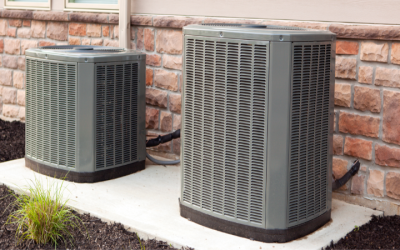
Homeowners should also check whether the indoor and outdoor units are both running. Sometimes the indoor blower may operate while the outdoor condenser stays off. This can make it seem like the AC is working, even though the system is not producing cool air.
Why Waiting Before Restarting Can Help
After power returns, it is often helpful to wait several minutes before restarting the AC. This gives the system time to stabilize and can reduce pressure on the compressor. Some modern thermostats include a built-in delay that prevents the system from starting immediately after power is restored.
If the thermostat shows a delay message, homeowners should allow it to complete the cycle. Bypassing the delay or repeatedly adjusting the thermostat can create more strain. The system is designed to protect itself from short cycling and sudden electrical load.
Waiting is especially important if power flickers on and off multiple times. During unstable power conditions, turning the AC off at the thermostat may help protect the equipment until the power supply is steady.
What Signs May Mean AC Repair Is Needed?
Several warning signs can appear after an outage. If the system hums but does not start, the capacitor or motor may be affected. If the outdoor unit is silent while the indoor fan runs, the condenser may not be receiving power or may have a failed component.
Warm air from the vents is another sign that something is wrong. The system may be moving air without cooling it. This can happen when the outdoor unit is not operating, the compressor is not starting, or a safety control has shut part of the system down.
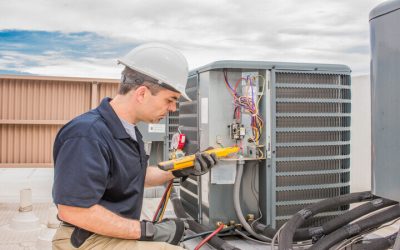
Burning smells, buzzing sounds, repeated breaker trips, or visible damage near the outdoor unit should be treated seriously. These issues may require emergency ac repair, especially during high heat or when indoor temperatures rise quickly.
What Should Homeowners Avoid Doing?
Homeowners should avoid repeatedly resetting breakers, opening electrical panels on the AC unit, touching wiring, or attempting to force the outdoor fan to start. AC equipment contains electrical components that can remain dangerous even when the system appears off.
It is also best to avoid lowering the thermostat far below the desired temperature to “catch up” after an outage. This does not cool the home faster. It can make the system run longer and increase stress after an electrical interruption.
If the AC does not restart after basic checks, turning the system off and scheduling ac repair service is usually the safer choice.
When Is Emergency AC Repair Necessary?
Emergency ac repair may be needed when the system will not cool during extreme heat, electrical problems keep returning, or there are signs of overheating, burning odors, or system shutdowns. Homes with young children, older adults, pets, or health-sensitive occupants may need faster attention when indoor temperatures climb.
In Peoria, summer conditions can become uncomfortable quickly after an outage. If the home remains warm after power returns and the system is not operating normally, homeowners should not wait too long to request air conditioning repair.
A technician can test electrical components, inspect the condenser and air handler, check the thermostat, review safety controls, and confirm whether the system is safe to operate.
How Can Homeowners Reduce Future Outage-Related AC Problems?
Routine maintenance can help identify weak electrical parts before they fail during stressful conditions. Capacitors, contactors, wiring connections, drain safety switches, and thermostat controls can be checked as part of regular service.
Homeowners may also consider surge protection for HVAC equipment. Power surges can damage sensitive AC components, especially during storm season or grid fluctuations. While surge protection cannot prevent every issue, it can help reduce risk.
Keeping the outdoor unit clear of debris after storms is also helpful. Wind can move branches, leaves, and loose materials near the condenser, affecting airflow when the system restarts.
Restore Cooling Before the Heat Takes Over
After a power outage, unusual AC behavior should not be ignored. If the system will not restart, blows warm air, trips breakers, or makes electrical sounds, schedule service with a professional AC repair company for safe diagnostics. Prompt ac repair helps Peoria homeowners protect cooling performance, reduce system strain, and restore comfort when emergency ac repair matters.