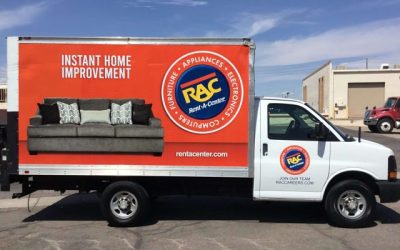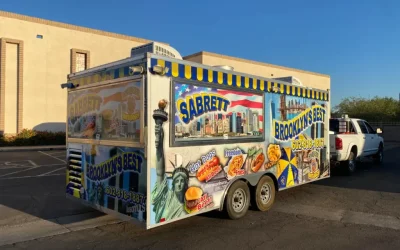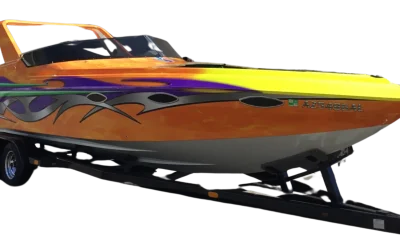
Fleet wrap planning for shared vehicles means creating a consistent visual system that identifies the company while allowing departments, teams, or service functions to remain distinguishable. The goal is to make every vehicle recognizable as part of the same organization without forcing identical graphics onto vehicles used for different purposes.
Businesses in Phoenix, AZ, may operate vehicles across sales, installation, delivery, maintenance, inspection, management, and customer-support teams. When those vehicles move between departments or perform different roles, fleet vehicle graphics must communicate both the overall brand and the vehicle’s function clearly.
Why Do Shared Fleet Vehicles Need a Flexible Design System?
A shared vehicle may not remain assigned to one employee or department permanently. A van used by an installation crew this month may support maintenance work later, while a car assigned to sales could occasionally be used for inspections or client visits.
If the wrap is too specific, reassignment can create confusion. A vehicle labeled only for “Installation” may appear misleading when it arrives for a service appointment. On the other hand, removing every department reference may make it harder for customers and employees to understand the vehicle’s role.
A flexible design system separates permanent brand elements from information that may change. The company name, logo, primary colors, phone number, and website can remain consistent, while department identifiers are placed in designated areas that can be updated more easily.
Which Elements Should Stay Consistent Across the Fleet?
The strongest fleet systems establish a group of visual elements that appear on every vehicle, regardless of department or model.
These commonly include:
- The primary company logo
- Approved brand colors
- Standard typography
- A consistent graphic pattern or image style
- The primary phone number
- The business website
- Required licensing information
- A repeatable placement hierarchy
These elements help customers recognize the business whether they see a compact car, pickup truck, cargo van, or box truck.
Consistency does not mean that every fleet wrap must be an exact copy. Different vehicles have different panel sizes, windows, doors, handles, and body lines. The layout should adapt to each vehicle while preserving the same recognizable identity.
How Can Departments Be Identified Without Fragmenting the Brand?
Department labels should function as secondary information. The company identity should remain the first element people notice, while the vehicle’s role provides additional context.
Department identification may appear as:
- A short label beneath the logo
- A color-coded band
- A small icon
- A unit designation
- A service category near the rear of the vehicle
- A removable or replaceable graphic in a planned location
For example, vehicles may display labels such as “Installation,” “Service,” “Delivery,” or “Sales” using the same typeface and placement. Each department could use a different accent color while retaining the primary fleet design.
The differences should be clear enough to serve a purpose but restrained enough that the vehicles still look like one fleet.
Should Each Department Use a Different Color?
Color coding can help distinguish departments, but it should be used carefully. Assigning a completely different design to every team can weaken brand recognition and make the fleet appear disconnected.
A more controlled approach uses one primary brand palette across all vehicle fleet wraps, with a limited accent color assigned to each function. The accent may appear in a stripe, department label, panel, or icon rather than covering the entire vehicle.
Color choices should also remain readable in Phoenix conditions. Intense sunlight, glare, distance, and vehicle movement can reduce contrast. Department labels should not depend on subtle color differences that may be difficult to recognize from across a parking lot or roadway.
Text should continue to identify the department even when color is used as an additional cue.
How Should Shared Vehicles Be Labeled?
Shared vehicles should avoid overly personal or temporary information unless it can be updated without affecting the full wrap. Employee names, direct extensions, or team-specific slogans may become outdated when assignments change.
More stable labels include:
- Department name
- Vehicle or unit number
- General service function
- Main company contact information
- Location or territory designation
Unit numbers can be particularly useful for operations teams. They allow employees to track maintenance, assignments, fuel records, and incident reports without changing the customer-facing brand.
The unit number should be visible to staff but does not need to compete with the logo or main contact details.
What Happens When a Vehicle Changes Departments?
A well-planned fleet wrap should anticipate reassignment. Department-specific graphics can be placed in areas where they can be professionally replaced without disturbing the main design.
Before changing the label, the business should confirm whether any related information also needs to be updated. A vehicle moving from delivery to field service may require a different department name, unit classification, license number, or safety marking.
The updated section should match the existing wrap in color, finish, typography, and production quality. Adding an unrelated decal over the original design can make the vehicle look patched rather than intentionally reassigned.
It is also important to consider the age of the existing vinyl. Sun exposure and normal wear can cause older graphics to differ slightly from newly produced material, even when the same color specifications are used.
How Can Different Vehicle Types Share One Fleet Identity?
Fleet car wraps, vans, trucks, and larger commercial vehicles provide different amounts of usable space. A compact car may only support a logo, short service description, and contact information, while a box truck can accommodate a more expansive layout.
The design system should establish priorities rather than rigid placements. Those priorities may be:
- Company identity
- Primary service category
- Contact information
- Department identifier
- Supporting graphics
A designer can then adapt those elements to the available surface while maintaining the same overall style.
Businesses researching commercial vehicle wraps should provide information about every vehicle type expected to enter the fleet. Fast-Trac Designs creates graphics for individual commercial vehicles and larger fleets in the Phoenix area, allowing a brand system to be planned across multiple models.
How Should New Fleet Vehicles Be Added Later?
Fleet systems should be designed with expansion in mind. Businesses may add vehicles one at a time, replace older units, or introduce a new department after the first wraps are installed.
Maintaining a fleet-graphics guide can make future additions more consistent. The guide may document:
- Approved logo files
- Color values
- Typefaces
- Department labels
- Graphic patterns
- Contact-information format
- Vehicle numbering rules
- Required placement priorities
When a new vehicle is added, the design can follow the established system while adapting to the new body style. This reduces the likelihood of each vehicle becoming a separate interpretation of the brand.
What Should Be Confirmed Before Production Begins?
Before approving fleet vehicle wraps, the business should confirm:
- Which information applies to every department
- Which labels may change over time
- Whether vehicles are permanently or temporarily assigned
- How departments should be distinguished
- Which vehicle types are included
- Whether the fleet is expected to expand
- Who is responsible for approving future updates
The company should also maintain a current inventory of wrapped vehicles, departments, unit numbers, installation dates, and expected replacement dates.
Fleet wrap planning works best when branding and operations are considered together. By separating permanent identity elements from changeable department information, Phoenix businesses can create fleet vehicle graphics that remain consistent, adaptable, and useful across multiple teams.