Uneven shoe wear can provide clues about how weight travels through the feet, legs, hips, and spine during everyday movement. It does not diagnose a condition, but it may point to repeated loading patterns that deserve attention when they appear with pain, stiffness, balance changes, or limited mobility.
Most shoes wear down where the foot repeatedly contacts the ground. Walking style, foot shape, footwear design, activity level, and shoe age all affect the pattern. A noticeable difference between the right and left shoe may suggest that pressure is not being distributed evenly.
What Are Common Uneven Shoe Wear Patterns?
Wear along the outside edge of the heel is common because many people make initial ground contact there. Mild, similar wear on both shoes is not automatically concerning. It becomes more useful as a movement clue when one shoe wears faster or the pattern extends strongly along one side.
Heavy wear along the inside edge may occur when the foot rolls inward. Wear concentrated along the outer edge can occur when pressure remains toward the outside of the foot. Extra wear under one forefoot may reflect how a person pushes off with each step.
How Can the Feet Affect Movement Higher in the Body?
Walking involves a connected chain. The foot contacts the ground, the ankle adapts, the knee bends, the hip manages body weight, and the trunk stabilizes the upper body. A repeated change at one point may influence how another area moves.
Limited ankle motion may cause someone to turn a foot outward, shorten a step, or shift weight to the other side. Hip discomfort may reduce time spent on one leg. A protective walking pattern caused by back pain may also change where pressure appears on the soles.
Can Posture Influence the Way Shoes Wear?
Posture and gait are related, but the connection is not always simple. The position of the head, rib cage, pelvis, and spine can affect balance and movement. Foot mechanics and lower-limb movement can also influence posture farther up the body.
Someone who consistently shifts weight onto one leg may compress one shoe more quickly. A person who leans forward while walking may place more demand on the forefoot. A shortened stride on one side may create a different heel-to-toe pattern between shoes.
Because several factors can produce similar wear, a chiropractor should not base conclusions on shoes alone. A useful evaluation may also review standing posture, walking mechanics, joint motion, muscle control, symptoms, and health history.
When May Chiropractic Care Be Relevant?
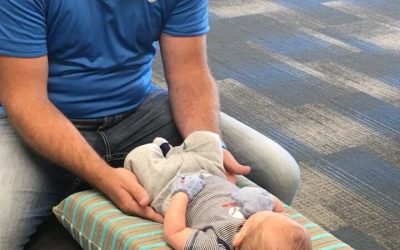
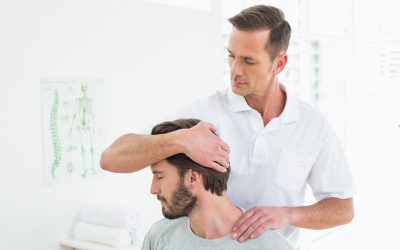
Chiropractic care may be considered when uneven shoe wear appears with recurring back or neck discomfort, posture concerns, stiffness, reduced mobility, or a feeling that one side moves differently. The purpose of an evaluation is to determine whether joint restrictions, movement habits, or alignment patterns may be contributing.
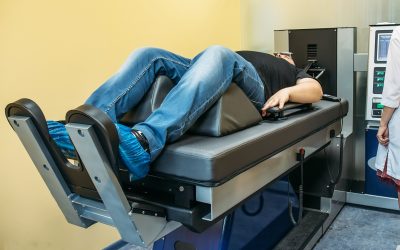
Corrective chiropractic care may include posture analysis, spinal and joint assessments, targeted adjustments, and individualized exercises. Balanced Corrective Chiropractic describes this approach as a way to evaluate movement and support spine alignment through a patient-specific plan. They emphasize that care should be based on examination findings rather than one visual clue.
What Should You Check Before Replacing Your Shoes?
Place both shoes on a flat surface and view them from behind. Look for a noticeable tilt, uneven heel compression, or a difference in sole thickness. Then compare the tread beneath the heels and forefeet.
Consider the age of the shoes and whether they are used for the same activities. Comparing several pairs may be more informative than judging one pair alone.
Also note related symptoms. Pain, numbness, weakness, frequent tripping, swelling, or a sudden change in walking should not be dismissed as a footwear issue. Those concerns may require an appropriate clinical evaluation.
When Should You Search for a Chiropractor Near Me?
Searching for a “chiropractor near me” may be reasonable when uneven shoe wear is accompanied by persistent stiffness, recurring discomfort, reduced movement, or posture changes that affect daily activity. In Westfield, NJ, convenience matters, but clinical fit matters more than distance alone.
Look for a chiropractor who completes a full history and examination, explains what the findings do and do not show, and avoids diagnosing a problem from shoe wear alone. The goal should be to understand the movement pattern and determine whether chiropractic care is appropriate.
What Is the Main Takeaway?
Uneven shoe wear is a clue, not a diagnosis. It may reflect differences in gait, posture, loading, footwear, or activity, and it becomes more meaningful when paired with symptoms or visible movement changes.
Anyone concerned about persistent asymmetry, discomfort, or declining mobility should consider an evaluation. A qualified local provider can assess the movement chain and recommend next steps based on the findings.