In short:
• Non-surgical care such as orthotics, anti-inflammatory therapy, and rehabilitation is typically the first approach for heel pain in Long Beach, CA.
• Most people with plantar fasciitis respond to conservative treatment before any surgical option is considered.
• A podiatric evaluation helps identify the exact cause of heel pain and the right combination of therapies.
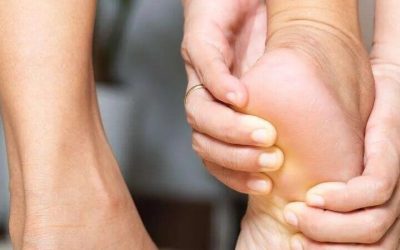
Heel pain that lingers for more than a few weeks usually responds best to a structured, non-surgical recovery plan rather than guesswork at home. Identifying the underlying cause first, whether plantar fasciitis, a heel spur, or tendon strain, determines which combination of therapies will actually help.
Long Beach residents dealing with persistent soreness often start by researching heel pain treatment in Long Beach, CA, to understand what conservative options exist before considering anything more invasive. Podiatric clinics in the area commonly offer physical rehabilitation, anti-inflammatory therapies, custom insoles, and injection-based pain relief as part of a non-surgical treatment pathway. These approaches aim to reduce inflammation and support the foot’s natural mechanics while it heals.
How Heel Pain Is Diagnosed Before Treatment Begins
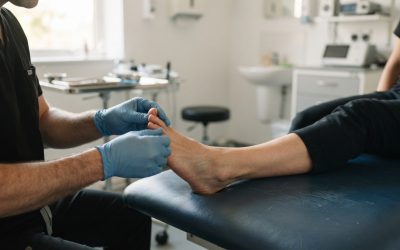
A physical exam and patient history are usually enough to identify the probable source of heel pain.
• Imaging such as X-ray, ultrasound, or MRI may be used when the diagnosis is unclear.
• Heel spurs can be present but are not always the source of pain.
• A thorough exam helps rule out other causes, since heel pain can occasionally signal a separate medical issue that needs its own evaluation.
An accurate diagnosis matters because treatment for a tendon strain differs from treatment for fascia inflammation, even though both can feel similar day to day.
Non-Surgical Options Commonly Used for Recovery
According to the American College of Foot and Ankle Surgeons, initial treatment for heel pain caused by plantar fasciitis typically includes anti-inflammatory medication, foot padding and strapping, and corticosteroid injections. Most patients improve within six weeks when they follow a consistent non-surgical plan.
Common conservative strategies include:
• Anti-inflammatory therapy to reduce swelling and pain around the heel and arch
• Custom orthotics or insoles that redistribute pressure and support the arch during daily activity
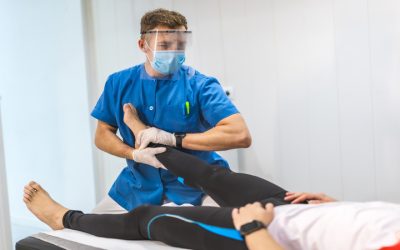
• Physical rehabilitation to stretch tight calf muscles and the Achilles tendon, which can otherwise strain the plantar fascia
• Injections for more persistent pain that has not responded to basic measures
• Activity modification , such as temporarily swapping high-impact exercise for lower-impact alternatives
Stretching routines and supportive footwear are frequently recommended alongside these clinical treatments, since reducing daily strain on the fascia supports faster recovery.
Comparing Common Treatment Approaches
| Approach | Best For | Typical Timeline |
| Rest, ice, stretching | Mild, early-stage pain | 1-2 weeks |
| Orthotics and anti-inflammatory therapy | Moderate, recurring pain | 4-6 weeks |
| Injections or advanced rehabilitation | Pain unresponsive to basic care | Varies by severity |
| Surgical evaluation | Pain persisting after conservative care fails | Considered only after other options are exhausted |
This progression reflects how most podiatric practices approach heel pain: starting conservatively and escalating only when needed.
When to Seek a Podiatric Evaluation
Heel pain that persists beyond six weeks despite home care, or pain that worsens with daily activity, generally warrants a professional evaluation. A podiatrist can confirm whether the issue is plantar fasciitis, a stress fracture, or another condition requiring a different approach. Waiting too long to address worsening symptoms can make recovery longer and more complicated.
Frequently Asked Questions
How long does non-surgical heel pain treatment usually take to work? Most patients notice improvement within several weeks of consistent conservative care, though timelines vary based on the severity and cause of the pain.
Can heel pain go away without treatment? Mild cases sometimes improve with rest and activity changes, but persistent or worsening pain typically needs a structured treatment plan to resolve fully.
Is surgery usually necessary for plantar fasciitis? Surgery is generally considered only after non-surgical options have been tried without sufficient improvement, since most patients respond to conservative care first.
What can make heel pain worse if left untreated? Ongoing strain without proper support or rehabilitation can lead to chronic inflammation, which can make recovery longer.
Finding Support for Ongoing Heel Pain
OC Podiatry is a podiatric practice offering non-surgical and surgical foot and ankle care, including treatment for heel pain, sports injuries, and diabetic foot concerns. Those dealing with ongoing discomfort can explore available heel pain treatment options and schedule an evaluation to determine the most appropriate next step for lasting relief.