Short answer:
• Choose catering tables based on your event type, guest count, available space, and surface durability requirements.
• Consider material, weight capacity, portability, and hygiene standards before purchasing or hiring.
Choosing the right table setup can make or break the flow of a catering operation, whether for a wedding, corporate function, or outdoor festival.
When sourcing catering tables for UK events, the decision involves more than aesthetics. Table dimensions, load-bearing capacity, surface material, and ease of transport all affect how efficiently a catering team can work. Getting these factors right from the outset saves time, reduces risk, and supports a professional presentation.
Understanding Table Types and Their Uses
Different event formats call for different table configurations. Here is a quick overview of the most common types used across UK catering environments:
• Trestle tables: Lightweight, foldable, and widely used for buffet lines and outdoor events.
• Banquet tables: Rectangular tables suited to formal dining layouts and seated service.
• Round tables: Ideal for guest seating where conversation and access to centrepieces matter.
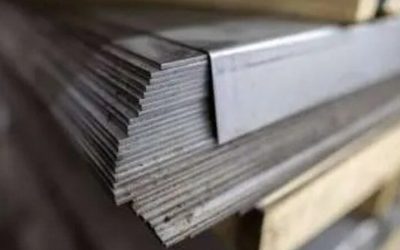
• Preparation tables: Heavy-duty stainless steel surfaces designed for kitchen-side food prep.
• Bar-height tables: Tall poseur tables used for drinks receptions and standing events.
Matching the table type to the function prevents bottlenecks during service and keeps health and safety risks low.
Key Factors to Evaluate Before Buying
Surface Material
The surface material determines hygiene compliance, durability, and suitability for different environments. Stainless steel is the preferred choice for food preparation areas because it resists bacteria, tolerates heat, and is straightforward to sanitise. Laminate and resin-coated surfaces work well for front-of-house service but may not meet the same hygiene standards required in commercial kitchens.
The Food Standards Agency provides guidance on hygienic food preparation surfaces, which is directly relevant when selecting materials for professional catering use.
Load Capacity and Stability
A table that flexes or tips under the weight of chafing dishes, glassware, or serving equipment creates a safety hazard. Always check the manufacturer’s stated weight capacity and test stability before deploying at an event. Folding leg mechanisms should lock firmly and show no lateral movement when loaded.
Portability and Storage
For caterers working across multiple venues, portability is essential. Look for tables with folding legs, carry handles, and stackable designs. Lighter aluminium frames reduce transport strain, while heavier steel frames offer greater rigidity for high-load applications.
Sizing Guide for Common Event Formats
| Event Type | Recommended Table | Typical Size |
| Buffet service | Trestle or banquet table | 6 ft x 2.5 ft |
| Formal seated dining | Round banquet table | 5 ft or 6 ft diameter |
| Drinks reception | Poseur/bar-height table | 60 cm diameter, 110 cm tall |
| Food preparation | Stainless steel prep table | 4 ft to 6 ft length |
These dimensions are general guidelines. Always verify table sizes against your venue’s floor plan and fire egress requirements before confirming a layout.
Practical Tips for Event Planners and Caterers
• Allow at least 60 cm of aisle space between tables to support safe movement of staff and guests.
• For outdoor events, prioritise tables with non-slip feet or ground-stabilising options to manage uneven terrain.
• Hire tables for one-off events and buy for recurring use; the break-even point is typically around four to five uses.
• Check that table heights comply with accessibility considerations outlined in the Equality Act 2010, particularly for seated service formats.
• Always request technical specifications in writing from suppliers, including weight limits and surface treatment details.
Frequently Asked Questions
What size catering table is best for a buffet? A 6-foot trestle or banquet table is the most common choice for buffet lines, offering enough surface area for chafing dishes, serving utensils, and signage without overcrowding.
Are stainless steel tables required for food prep? Stainless steel is strongly recommended for commercial food preparation due to its hygienic properties, though formal requirements depend on your local authority’s environmental health guidelines.
How many tables do I need for a 100-guest event? This depends on the format. Seated dining typically requires 10 to 12 round tables for 100 guests, while a buffet may need 3 to 4 service tables plus separate seating.
Can catering tables be used outdoors? Yes, but choose tables with weather-resistant surfaces and stable leg mechanisms. Avoid untreated wood surfaces in wet conditions.
Further Guidance
SAMS Fabrications is a UK-based manufacturer specialising in commercial stainless steel fabrication, including food-grade prep surfaces and event equipment built to professional standards. For event planners or catering businesses looking to invest in durable, specification-compliant surfaces, contacting SAMS Fabrications directly is a practical next step to discuss requirements and available options.