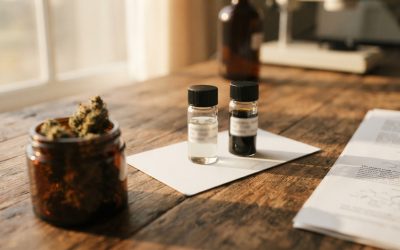
Terpenes are aromatic compounds found in different plants, flowers, and fruits. These hydrocarbons are the compounds responsible for the unique and potent flavors and fragrances of various herbs, spices, and botanicals. Botanical terpenes have been used in various industries, including cosmetics, aromatherapy, and fragrance-making.
In this article, you’ll explore some easy and effective ways to extract terpenes from plants.
Steam Distillation
This traditional method is used by the perfume and essential oil industries to extract essential plant oils. This process involves heating plant materials with steam and then cooling the steam to condense the vapor. The essential oils and terpenes will separate from the water and be collected.
This process is efficient and can extract many terpenes with minimal damage to the compounds. However, the process and equipment can be expensive.
Solvent Extraction
This method of collecting botanical terpenes uses a solvent to dissolve the essential oils and terpenes from the plant material. The solvent evaporates, leaving behind the concentrated terpenes. Solvents such as ethanol, butane, and hexane can be used; however, the choice of solvent can affect the purity and quality of the terpenes.
This method can be done at home with simple equipment but involves careful handling of flammable solvents.
CO2 Extraction
This method of collecting botanically derived terpenes uses high pressure and low temperatures to extract the terpenes from the plant material without leaving any solvent residues behind. This method has a high yield and produces high-quality terpenes. The equipment required for this method is expensive, but this is a method that can be used if you are serious about commercial production.
Cold Press Extraction
Cold press extraction is a non-chemical extraction method that combines low temperature and pressure to draw essential oils and terpenes from plants. This method does not require any special equipment, making it easy to do at home. However, some experts have pointed out that the quantity of the resulting terpenes could be lesser than what you get with other methods.