Knee tracking problems happen when the knee does not move in proper alignment during walking, running, jumping, squatting, or changing direction. While knee pain may seem like a local issue, the source of poor knee mechanics may begin higher in the body, especially at the hips, pelvis, and lower spine.
For active individuals in Parker, CO, understanding the connection between hip alignment and knee movement can help explain why discomfort may return despite rest, stretching, or strengthening the knee alone. Conservative approaches such as chiropractic care, movement assessment, and chiropractic adjustment techniques may help address the broader mechanics that influence knee stress during sports and daily activity.
How Does Knee Tracking Work?
Knee tracking refers to how the kneecap and knee joint move as the leg bends and straightens. Ideally, the knee should follow a controlled path over the foot without collapsing inward, drifting outward, or twisting excessively.
Proper knee tracking depends on several connected structures, including the hips, pelvis, feet, ankles, core, and spine. When one area is restricted, weak, or misaligned, another area may compensate. This compensation can place added stress on the knee joint over time.
Athletes may notice tracking problems during:
- Running
- Squats
- Lunges
- Jumping
- Landing
- Cutting movements
- Climbing stairs
- Cycling
- Field and court sports
Even mild tracking changes may affect comfort, balance, and athletic control.
Why Can Hip Alignment Affect the Knee?
The hip controls much of the position and rotation of the thigh bone. Since the thigh bone connects directly to the knee, changes in hip position can influence how the knee moves during activity.
When the hips lack stability or mobility, the knee may drift inward during movements such as squats, lunges, or landings. This inward collapse is often called knee valgus. It may place additional strain on the knee joint, surrounding ligaments, tendons, and muscles.
Hip-related contributors may include:
- Weak glute muscles
- Tight hip flexors
- Limited hip rotation
- Pelvic imbalance
- Poor core stability
- Uneven weight distribution
- Prior lower back or hip injuries
A sports chiropractor may evaluate how the hips and pelvis are influencing lower-body movement instead of focusing only on the painful knee.
What Role Does Pelvic Alignment Play?
The pelvis acts as a foundation between the spine and lower body. When pelvic mechanics are uneven, the legs may absorb force differently during movement. This can affect stride length, foot placement, hip rotation, and knee tracking.
Pelvic imbalance may contribute to:
- Uneven pressure between the legs
- One-sided knee discomfort
- Hip tightness
- Lower back tension
- Changes in gait mechanics
- Poor landing control
- Reduced athletic efficiency
For athletes, even small movement changes can become more noticeable because sports involve repetitive force, speed, and impact. Over time, altered mechanics may contribute to recurring strain.
Common Signs of Knee Tracking Problems
Knee tracking issues may develop gradually. Some people feel discomfort only during sports, while others notice symptoms during daily activities.
Common signs may include:
- Knee pain during squats or stairs
- Clicking or popping sensations
- Knee discomfort while running
- Pain around or behind the kneecap
- Tightness in the hips or thighs
- Lower back tension with leg activity
- Uneven wear on shoes
- Feeling unstable during landing or cutting
Symptoms do not always mean the knee is the only problem. The body works as a connected system, so a chiropractor may examine the spine, pelvis, hips, and feet to identify movement patterns that contribute to stress.
How Sports Movements Increase Knee Stress
Sports often demand quick acceleration, sudden stops, direction changes, jumping, and impact absorption. These movements require strong coordination between the hips, knees, ankles, and core.
When hip or pelvic control is limited, the knee may take on more force than intended. This can affect athletes in sports such as soccer, basketball, tennis, football, volleyball, running, skiing, and pickleball.
Repeated poor tracking may contribute to irritation in surrounding soft tissues, including tendons and ligaments. It may also reduce confidence during movement because the athlete may begin compensating to avoid discomfort.
How Chiropractic Care May Support Better Movement Mechanics
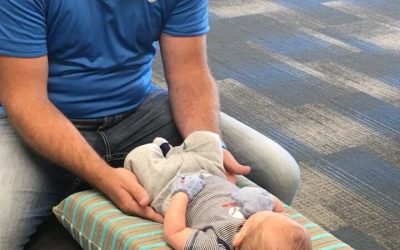
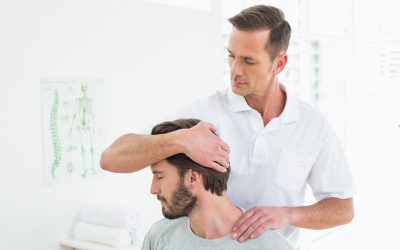
Chiropractic care often focuses on spinal alignment, joint mobility, posture, and functional movement. For knee tracking concerns, care may include evaluating how the lower back, pelvis, hips, knees, and ankles work together.
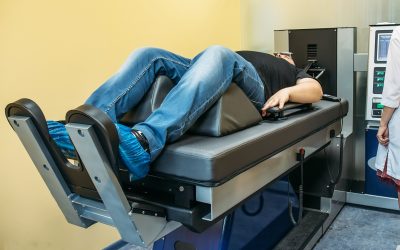
A chiropractic adjustment may be used to support joint mobility and improve movement efficiency in restricted areas. When combined with stretching, strengthening, mobility work, and recovery strategies, chiropractic care may help support more balanced mechanics.
A sports chiropractor may assess:
- Hip mobility
- Pelvic alignment
- Spinal movement
- Gait mechanics
- Core stability
- Lower-body flexibility
- Joint restrictions
- Athletic movement patterns
The goal is not only to address discomfort but also to understand why the knee is being stressed during movement.
Why Strengthening the Knee Alone May Not Be Enough
Many people try to resolve knee pain by strengthening the quadriceps or stretching the hamstrings. While these may be useful, they may not fully address the issue if hip or pelvic mechanics are contributing to poor tracking.
For example, weak glute muscles may allow the thigh to rotate inward. Tight hip flexors may alter pelvic position. Limited ankle mobility may change landing mechanics. Each of these issues can affect the knee, even if the knee itself is not the original source of the problem.
A whole-body movement approach may provide a clearer picture of how repeated stress develops.
Daily Habits That May Affect Hip and Knee Alignment
Sports are not the only source of knee tracking problems. Daily habits can also influence hip and pelvic mechanics.
Contributing habits may include:
- Sitting for long periods
- Crossing one leg frequently
- Poor workstation posture
- Wearing unsupportive shoes
- Training one side more than the other
- Skipping mobility work
- Returning to sports too quickly after discomfort
Improving daily movement habits may help reduce repeated stress on the lower body.
When Should Active Individuals Pay Attention to Knee Mechanics?
Knee discomfort that happens repeatedly during activity should not be ignored. Occasional soreness may occur after exercise, but recurring pain, stiffness, instability, or movement changes may indicate that the body is compensating.
Active individuals may benefit from learning how hip alignment, pelvic mechanics, and spinal movement affect knee tracking. Those looking for conservative support can explore trusted sports injury care to better understand how chiropractic care may fit into a broader movement and recovery plan.
Support Better Knee Movement Before Small Tracking Problems Become Larger Setbacks
Knee tracking concerns may start with subtle changes in hip control, pelvic alignment, spinal mobility, or lower-body mechanics. Addressing these patterns early may help reduce repeated stress during sports, training, and daily movement. For active individuals managing recurring knee discomfort, conservative movement-focused care may support better alignment, improved mobility, and long-term athletic function.