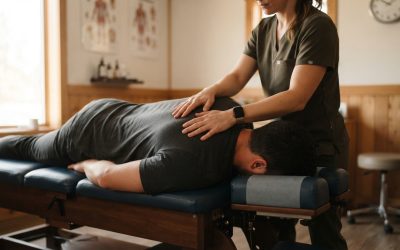
The neck plays an important role in everyday movement, allowing the head to turn, tilt, and adjust while supporting posture and balance. When neck mobility changes, the effects may extend beyond difficulty looking over a shoulder or turning the head. Limited movement can influence how the body adapts during daily activities, from working at a desk to participating in physical activities.
Many people overlook gradual changes in neck mobility because they develop slowly. Stiffness, reduced flexibility, or discomfort may become part of a routine before someone recognizes that their movement patterns have changed. Understanding the connection between cervical mobility and overall function can help individuals make informed decisions about their wellness.
For those experiencing ongoing neck concerns in Redwood City, CA, a cervical evaluation can provide insight into how the neck moves and how surrounding areas may be affected.
The Connection Between Neck Mobility and Everyday Movement
The cervical spine, which consists of the vertebrae in the neck, is designed to provide both stability and flexibility. This balance allows people to perform many daily movements, such as checking blind spots while driving, looking up at shelves, or maintaining proper positioning during work.
When neck mobility decreases, the body may compensate by changing how other areas move. The shoulders, upper back, and posture can all be influenced by limited cervical movement. Over time, these adjustments may affect how comfortably a person completes regular activities.
A chiropractor evaluates these movement patterns to understand how the neck and surrounding structures work together. This approach looks beyond a single area of concern and considers overall function.
Common Factors That Influence Neck Mobility
Several everyday factors may contribute to changes in neck movement. These changes are not always connected to one specific cause and may develop through a combination of lifestyle habits and physical demands.
Common influences include:
- Extended computer or phone use
- Long periods of sitting
- Repetitive work activities
- Physical activity without proper movement preparation
- Previous injuries or strain
- Changes in posture over time
For example, spending several hours looking downward at a device may place different demands on the neck compared to maintaining a neutral head position. Similarly, work environments that require repetitive movements may contribute to muscle tension and reduced flexibility.
Recognizing these patterns can help individuals understand why their neck feels different and what factors may be affecting their mobility.
How Chiropractic Neck Adjustments Relate to Neck Function
A chiropractic neck adjustment is one approach used to support proper joint movement and cervical function. During an evaluation, a chiropractor considers factors such as range of motion, posture, and areas of restriction before determining appropriate care options.
The purpose of chiropractic treatment is not simply focused on movement in one direction. Instead, it involves understanding how the cervical spine functions within the entire musculoskeletal system.
Patients exploring neck pain chiropractic care often begin with an assessment to identify possible contributors to their symptoms. This allows care recommendations to be based on individual findings rather than a general approach.
Understanding the Role of Upper Cervical Care
The upper cervical region refers to the upper portion of the neck near the base of the skull. This area is important because it supports head movement and contributes to overall spinal alignment and balance.
An upper cervical chiropractor focuses on evaluating this area while considering how it interacts with the rest of the spine. Since the neck is connected to the shoulders, upper back, and nervous system, changes in cervical function can have broader effects on movement patterns.
Care approaches vary depending on each person’s condition, goals, and evaluation results. A thorough assessment helps determine which options may be appropriate.
When to Consider a Cervical Evaluation
People may consider visiting a chiropractor when they notice changes in their neck mobility, recurring stiffness, or difficulty performing movements that were previously comfortable.
Some signs that may indicate it is time to seek an evaluation include:
- Reduced ability to turn or tilt the head
- Persistent neck tightness
- Changes in posture
- Discomfort during normal activities
- Difficulty maintaining previous levels of physical activity
A cervical assessment can help identify movement limitations and provide a clearer understanding of possible contributing factors.
Awender Chiropractic, they help patients understand how spinal function and mobility are connected through personalized chiropractic care. Their approach as a cervical chiropractor focuses on evaluating individual movement needs and supporting overall spinal wellness.
Maintaining Neck Mobility Through Daily Awareness
Maintaining healthy movement habits can play a role in supporting neck function. Simple practices such as taking breaks from prolonged sitting, adjusting workstation setup, and staying active can help encourage better movement patterns.
Paying attention to changes in mobility can also make it easier to address concerns before they significantly affect daily routines. The neck is involved in many everyday tasks, and supporting its function contributes to comfortable movement throughout the day.
Understanding the relationship between neck mobility and overall movement allows individuals to take a more informed approach to their physical wellness. Whether someone is experiencing stiffness, changes in range of motion, or recurring discomfort, learning how the cervical spine functions is an important step toward making thoughtful care decisions.