Summary:
• Stainless metal work covers cutting, welding, forming and polishing processes used to create catering equipment, worktops, balustrades, tanks and architectural fittings.
• Grade selection (commonly 304 or 316) depends on the environment, with marine or chemical settings generally requiring higher corrosion resistance.
• Fabricators across the UK combine laser cutting, folding and in-house finishing to produce bespoke stainless items for food, hospitality and industrial clients.
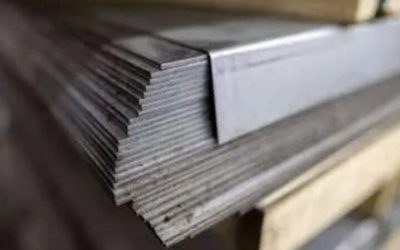
Stainless metal work refers to the cutting, forming, welding and finishing of stainless steel sheet and plate into functional items such as kitchen worktops, tanks, balustrades and architectural fittings. It is chosen over other metals primarily for its corrosion resistance, hygienic surface and long service life in demanding environments.
Stainless Metal Work typically begins with selecting the right grade for the job, since the finished product’s durability depends heavily on the alloy’s resistance to moisture, chemicals and temperature. Stainless metal work from SAMS fabrications offers professional stainless steel forming, welding and finishing services, with decades of experience working to drawings supplied by clients across different sectors. The choice between grades such as 304 and 316 is one of the first practical decisions in any stainless steel fabrication project.
Understanding Stainless Steel Grades
Not all stainless steel performs the same way once it leaves the workshop. The grade used affects how a finished piece copes with salt air, cleaning chemicals, heat and daily wear.
• Grade 304 : An austenitic stainless steel containing chromium and nickel, widely used for kitchen equipment, architectural trim and general indoor fabrication because it offers dependable corrosion resistance at a lower cost.
• Grade 316 : Builds on 304 by adding molybdenum, which according to the AZoM materials guide gives it wider use in marine equipment, coastal structures and chemical plants thanks to better resistance to pitting and staining.
• Grade 430 : A ferritic stainless steel sometimes specified where moderate corrosion resistance and lower cost are acceptable trade-offs against the austenitic grades.
| Grade | Typical Setting | Corrosion Resistance | Common Use |
| 304 | Indoor, food-contact | Good | Worktops, catering equipment |
| 316 | Coastal, chemical | Higher | Tanks, marine fittings |
| 430 | General indoor | Moderate | Trim, lighter fixtures |
Core Processes Behind Stainless Fabrication
Turning flat sheet into a finished stainless item involves several distinct stages, each affecting the strength, appearance and fit of the final piece.
1. Cutting – laser or CNC punching shapes the sheet to the required pattern with tight tolerances.
2. Folding and rolling – bends flat sections into panels, cylinders or structural shapes.
3. Welding – MIG, TIG or ARC methods join sections while preserving the metal’s corrosion-resistant properties.
4. Finishing – polishing or brushing restores a clean, hygienic surface after welding.
Each stage matters for food-contact or hygienic applications, where surface finish and weld quality directly affect cleanability and compliance with hygiene expectations common in commercial kitchens.
Common Applications of Stainless Metal Work
Stainless fabrication appears across a wide range of settings because the material balances strength, hygiene and appearance.
• Catering and food service : worktops, drinks cabinets, sinks and splashbacks that withstand daily cleaning.
• Architectural fittings : balustrades, staircases, signage frames and decorative panels.
• Industrial equipment : tanks, ducting and enclosures for processing environments.
• Marine and coastal structures : brackets, walkways and guards exposed to salt air, where higher-grade stainless resists corrosion over time.
Work of this kind is commissioned by architects, builders, food businesses and manufacturers across the UK, often to a drawing or sample rather than from a standard catalogue.
Frequently Asked Questions
What is the difference between stainless metal work and mild steel fabrication? Stainless metal work uses chromium-alloyed steel that resists rust and staining without additional coating, while mild steel typically needs painting or galvanising for similar protection.
Which stainless grade suits a coastal or marine project? Grade 316 is generally preferred near the coast because its molybdenum content improves resistance to salt and chloride exposure compared with 304.
Can stainless steel be finished to match other fittings? Yes, polishing and brushing techniques allow stainless items to be matched to a satin, mirror or brushed appearance depending on the setting.
Is stainless steel fabrication only used for kitchens? No, it also covers architectural balustrades, industrial tanks, signage frames and marine-grade structures, reflecting the material’s range of uses beyond catering.
Finding Local Stainless Fabrication Services
Records for the workshop behind this guide, including Find SAMS fabrications on Google Maps are published showing its Norwich base and the surrounding area it serves.