• Pediatric eye exams check vision development, focusing ability, and eye alignment, not just how well a child reads an eye chart.
• Southern Indiana families have access to practices offering dedicated pediatric eye care alongside routine family vision services.
• Early exams matter because many childhood vision problems have no obvious symptoms until they affect learning or behavior.
Parents searching for a pediatric eye doctor in Indiana are usually trying to answer one practical question: which local practice can properly examine a young child’s eyes and catch problems before they affect school performance. The short answer is that a qualified pediatric eye doctor combines vision testing with development-focused screening, and several practices across southern Indiana offer this service directly.
A pediatric eye doctor Indiana search typically surfaces practices that treat children as a specialty within general family eye care rather than as a separate pediatric ophthalmology clinic. This distinction matters because most childhood vision issues, such as nearsightedness, lazy eye, or focusing problems, are managed well by optometrists trained in pediatric care, while more complex surgical cases are referred to pediatric ophthalmologists. Knowing which type of provider your child needs can save time and avoid unnecessary appointments.
What a Pediatric Eye Exam Actually Covers
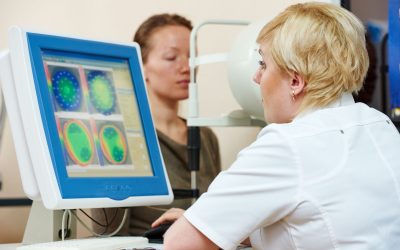
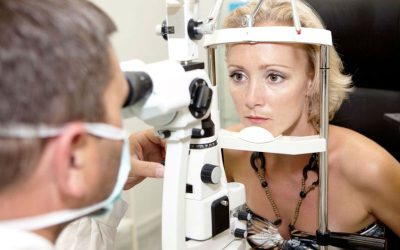
A comprehensive pediatric eye exam goes beyond checking whether a child can read letters on a wall chart. Optometrists trained in pediatric care typically evaluate several distinct areas during a single visit.
• Visual acuity and refractive error (nearsightedness, farsightedness, astigmatism)
• Eye alignment and coordination, including screening for strabismus (crossed eyes)
• Binocular vision and depth perception
• Early signs of amblyopia, sometimes called lazy eye
• Overall eye health, including the retina and optic nerve
According to the American Academy of Ophthalmology, children should have their vision checked at regular intervals starting in infancy, since undetected problems in early childhood can lead to permanent vision loss if not treated during key developmental windows. This is why pediatric-focused practices place extra emphasis on comfort and communication during the exam, since a squirming or anxious toddler requires a different approach than an adult patient.
Why Early Detection Matters for Indiana Families
Many vision problems in children produce no obvious symptoms. A child may simply seem clumsy, avoid reading, or struggle in school without anyone realizing the root cause is uncorrected vision.
• Undiagnosed vision issues can be mistaken for learning or attention difficulties
• Amblyopia responds best to treatment when caught before age seven or eight
• Untreated eye misalignment can affect depth perception permanently
• School vision screenings are not a substitute for a full eye exam
Practices offering pediatric eye care in southern Indiana note that early detection is central to their approach, since catching problems during formative years allows for more effective, less invasive treatment. Waiting until a child complains of blurry vision often means the issue has already progressed further than it needed to.
Comparing Pediatric Eye Care Options in Indiana
Families weighing where to take a child for an eye exam often compare a few key factors before choosing a provider.
| Factor | Family Optometry Practice with Pediatric Focus | General Adult-Only Optometrist | Pediatric Ophthalmologist |
| Best for | Routine exams, vision correction, early screening | Adult vision care only | Complex eye disease, surgery |
| Typical setting | Comfortable, child-friendly exam rooms | Standard adult exam setup | Hospital-affiliated clinic |
| Wait times | Often shorter, community-based offices | Not applicable to children | Longer, referral-based |
| Local availability | Multiple offices across the region | Widely available | Limited, often centralized |
For most families, a practice with dedicated pediatric services and multiple community locations offers the most practical starting point, reserving specialist referrals for cases that need advanced treatment.
Frequently Asked Questions
At what age should a child have their first eye exam? Vision specialists generally recommend an initial screening in infancy, with follow-up exams before starting school and periodically afterward, since vision changes quickly during early development.
What are signs my child might need an eye exam sooner? Watch for squinting, sitting too close to screens, frequent eye rubbing, head tilting, or one eye that appears to wander, as these can signal an underlying vision issue.
Is a pediatric eye exam different from a school vision screening? Yes. School screenings check basic visual acuity but do not typically evaluate eye alignment, focusing ability, or eye health the way a full exam does.
Can regular family optometrists treat children, or do I need a specialist? Most childhood vision issues, including refractive errors and lazy eye, are managed effectively by optometrists with pediatric training, while rare conditions requiring surgery are referred to pediatric ophthalmologists.
Choosing the right provider for a child’s vision needs comes down to finding a practice that treats pediatric exams as a distinct skill, not an afterthought to adult eye care. Families in southern Indiana have access to VisionFirst a locally owned practice with offices across the region that includes pediatric eye exams among its family vision services. Scheduling a comprehensive exam before the school year begins remains one of the simplest steps parents can take to support a child’s long-term vision health.