Summary:
- A septic tank inspection checks tank levels, system age, and signs of leakage to catch problems before they become costly repairs.
- The EPA recommends professional inspections every one to three years, with pumping typically needed every three to five years.
- Lawrenceville homeowners can schedule routine or pre-sale inspections through local providers like Affordable Septic Service LLC.
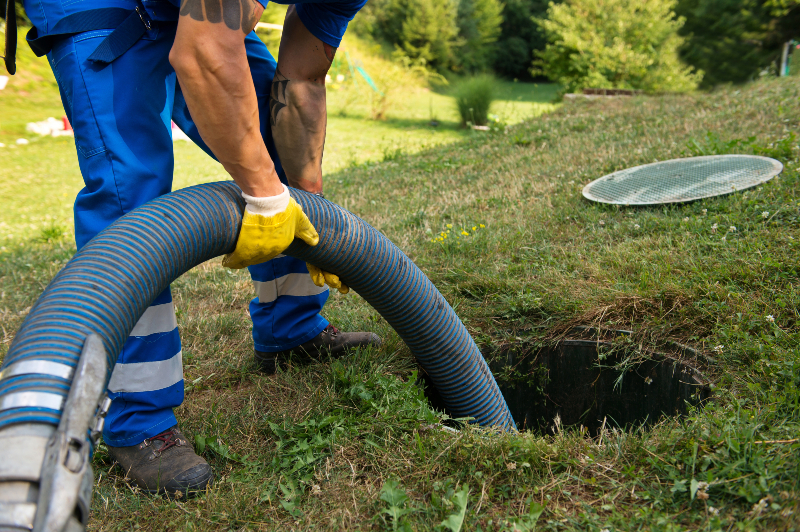
A septic tank inspection is a professional evaluation of a home’s septic system that checks sludge and scum levels, tank condition, and signs of leakage to determine whether the system is functioning properly or needs service. For homeowners in Lawrenceville, this routine check is one of the simplest ways to avoid a surprise backup or an expensive drain field replacement.
Georgia’s clay-heavy soil and seasonal rainfall put extra strain on residential septic systems, which makes consistent monitoring especially important in this part of the state. Scheduling a Septic Tank Inspection on a regular basis gives homeowners an early warning system, catching small issues like a clogged effluent filter or rising sludge levels before they turn into a failed drain field or a sewage backup inside the home.
Understanding what happens during an inspection, how often it should occur, and what signs point to trouble can help homeowners plan maintenance instead of reacting to a crisis.
What a Professional Inspection Actually Covers
A thorough septic evaluation goes beyond a quick visual check. According to the EPA’s Homeowners Guide to Septic Systems, an inspector will check pumping and maintenance records, the age of the system, sludge and scum levels inside the tank, and any signs of leakage.
Typical inspection steps include:
- Locating and opening the tank access points or risers
- Measuring sludge and scum thickness to determine if pumping is needed
- Checking for cracks, root intrusion, or signs of effluent surfacing near the drain field
- Reviewing the system’s age and prior service history
- Testing mechanical components on systems with pumps or electrical switches
This process gives homeowners a clear picture of system health rather than a guess based on surface symptoms like slow drains or yard odors.
How Often Lawrenceville Homeowners Should Schedule Inspections
Inspection frequency depends on system type, household size, and water usage patterns. The EPA’s frequently asked questions on septic systems state that in general, a septic tank should be inspected every one to three years and pumped every three to five years, with the exact frequency depending on tank size, household size, water use habits, and solids accumulation.
| System Type | Recommended Inspection Interval | Notes |
| Conventional gravity system | Every 1 to 3 years | Standard for most single-family homes |
| Systems with pumps or float switches | Annually | Mechanical parts need closer monitoring |
| Pre-sale or real estate transfer | Before closing | Often required by state or lender |
| Aging systems (15+ years) | Annually | Higher risk of component wear |
Real estate transactions add another layer of urgency. Many jurisdictions require a septic evaluation before a property can change hands, and EPA guidance notes that in many states, a septic system must be inspected with the transfer of real estate.
Warning Signs That Call for an Inspection Sooner
Some symptoms suggest a system needs attention before its next scheduled check. Homeowners should not wait for the calendar if they notice:
- Slow-draining sinks, tubs, or toilets throughout the house
- Standing water or unusually lush, green patches over the drain field
- Persistent sewage odors near the tank or yard
- Gurgling sounds in plumbing fixtures
- A system that has not been inspected in more than three years
Catching these signs early typically costs far less than addressing a full system failure, since routine inspections help prevent expensive repairs to the system or a sewage backup in the home.
Protecting Your Investment and Your Family’s Health
A septic system that fails without warning can contaminate groundwater, damage a yard, and create a health hazard for everyone in the household. Regular inspections ensure homeowners and their families do not get sick due to a leak or other problem with the septic system, according to EPA guidance. Staying current on inspections also protects resale value, since a documented service history reassures future buyers that the system was properly maintained.
Homeowners in Lawrenceville who want a professional evaluation can work with local providers that specialize in septic inspection, pumping, and related maintenance. Affordable Septic Service LLC is one option serving the Lawrenceville area for routine septic tank inspections and follow-up maintenance recommendations.
Frequently Asked Questions
How long does a septic tank inspection take? Most residential inspections take between one and two hours, depending on tank accessibility and whether risers are already installed at ground level.
Can I inspect my own septic tank? Homeowners can perform basic visual checks of the yard and lids, but measuring sludge and scum levels accurately requires professional tools and training.
Does a septic inspection include pumping? Not automatically. An inspection determines whether pumping is needed based on sludge and scum measurements, and pumping is scheduled separately if levels warrant it.
What happens if I skip inspections for several years? Skipping inspections increases the risk of undetected sludge buildup, drain field saturation, or mechanical failure, which can lead to a sudden and costly system breakdown.
Keeping a septic system on a consistent inspection schedule remains one of the most practical ways Lawrenceville homeowners can protect their property, their health, and their budget. A professional evaluation every one to three years, paired with attentive monitoring between visits, helps ensure small issues get addressed before they become expensive emergencies.