Short answer:
- Your vehicle likely needs ADAS calibration after a windshield replacement, a collision, or any suspension or alignment work that shifts sensor positions.
- Skipping calibration can leave safety systems like automatic emergency braking and lane departure warning operating inaccurately, often without triggering any dashboard warning.
If your car has lane assist, forward collision warning, or adaptive cruise control, there is a good chance it needs professional sensor calibration after certain repairs. ADAS recalibration is necessary any time a repair could change the position, aim, or mounting of a camera or sensor — windshield replacement, collision repair, suspension or alignment work, and any removal or replacement of an ADAS component.
Drivers in the Chelsea area can schedule ADAS Calibration in Services Chelsea MI to make sure their vehicle’s safety systems are verified and properly aligned after any qualifying repair. A2 Auto Glass offers auto glass replacement, wheel alignment, and Advanced Driver Assistance System Calibration.
What Triggers the Need for ADAS Calibration
Not every repair requires recalibration, but several common service events almost always do. Understanding which situations apply to your vehicle helps you plan accordingly.
The most frequent triggers include:
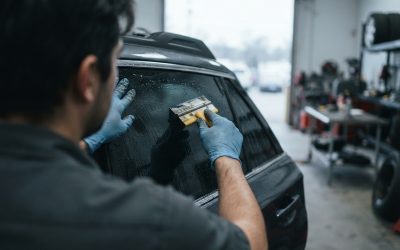
- Windshield replacement. Windshield replacement is the most common trigger for ADAS recalibration because multiple sensors and cameras can be mounted on or near the windshield in most vehicles.
- Collision damage. A collision, even a minor one, that could shift sensor positions is a recognized calibration trigger.
- Suspension or alignment work. Suspension, alignment, or structural repairs that change the vehicle’s ride height or geometry require recalibration, since camera aim is calibrated relative to the chassis.
- Dashboard warning lights. Calibration is also needed when dashboard warning lights appear or customers report safety features misbehaving.
- Erratic ADAS behavior. Noticeable changes in ADAS behavior, like a lane system drifting or cruise control following inconsistently, indicate the system may be out of alignment.
Why Skipping Calibration Is a Safety Risk
A common assumption is that if no warning light appears, the system is fine. That logic does not hold up technically. Driving fine and seeing accurately are two different things. A camera can be aimed slightly wrong without triggering any warning, which means the systems may respond incorrectly exactly when you need them.
If the camera aim is off by only one degree, the collision avoidance system will be off by 8 feet at 100 feet away. A vehicle traveling at 30 mph requires a stopping distance of 89 feet on dry pavement; without proper calibration, the vehicle may not stop until 8 feet after impact.
According to the National Highway Traffic Safety Administration (NHTSA), ADAS cameras must be properly recalibrated after repairs — especially windshield replacement — to maintain a vehicle’s safety integrity. Ignoring this step can void warranties, and in the event of an accident, insurance claims could be affected if improper calibration is found.
Static vs. Dynamic Calibration: A Quick Comparison
Calibration is performed using one of two methods, or a combination of both, depending on what your vehicle’s manufacturer specifies.
| Calibration Type | How It Works | Typical Setting |
|---|---|---|
| Static | Targets placed in front of the vehicle in a controlled space | In-shop, controlled environment |
| Dynamic | Vehicle driven at specific speeds on open roads | On-road driving procedure |
| Combined | Both static and dynamic steps required | Varies by make and model |
Calibration typically takes anywhere from about 30 minutes to a couple of hours, depending on the vehicle and whether static, dynamic, or both procedures are required. The procedure requires specialized tools and trained technicians. It requires specialized equipment and trained professionals who understand the sensors’ and cameras’ calibration procedures.
How to Know If Your Vehicle Has ADAS
Many drivers are unsure whether their vehicle even has systems that require calibration. Check your owner’s manual under “safety features” or “driver assistance systems.” If your vehicle has automatic emergency braking, lane departure warning, or adaptive cruise control, it almost certainly has a forward-facing camera that requires recalibration after windshield replacement.
Nearly all 2016 and newer vehicles with forward-facing cameras require calibration after windshield replacement. If your vehicle has lane assist, departure warning, automatic emergency braking, or collision avoidance technology, it needs calibration.
Frequently Asked Questions
Does a windshield chip repair also require ADAS calibration? For a repair where the original glass is retained and resin is injected, recalibration is generally not required, since the camera’s position relative to the glass has not changed. A full replacement is a different matter.
Will my insurance cover ADAS calibration? Most comprehensive insurance policies cover calibration when bundled with windshield replacement. Confirm with your insurer before scheduling service.
Can I drive normally before getting calibration done? It is best not to drive extensively until calibration is completed, since ADAS features may not respond correctly until the system is verified.
Does calibration need to happen at a dealership? Repairs to suspension, realignment, or windshield replacement require calibration, but not a dealership to perform it. Independent shops with the proper equipment can complete the procedure.
If you have recently had your windshield replaced, been in a collision, or had suspension work done on a newer vehicle, calibration should be part of your follow-up service plan — not an afterthought. A2 Auto Glass serves the Chelsea area with both in-shop and mobile ADAS calibration options, making it straightforward to get your safety systems verified without a dealership visit.