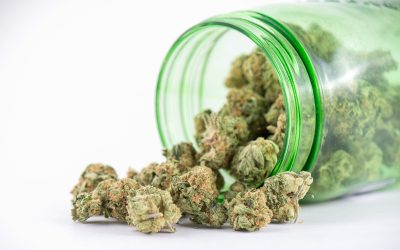
THCA and THC are chemically related but functionally different: one is the raw, non-intoxicating precursor found in the living plant, and the other is the activated compound responsible for cannabis’s psychoactive effects. Understanding the distinction matters for anyone buying hemp-derived products in the USA right now.
When comparing THCA vs THC, the key difference comes down to a single chemical reaction. Chemically, THCA has a carboxyl group (COOH) that prevents it from binding to CB1 receptors. Once heated, it loses this group and becomes THC, triggering the euphoric effects cannabis is known for. Unlike THC, when THCA is consumed in its raw form, it does not give users the typical “high” associated with cannabis.
The Chemistry Behind the Conversion
The cannabis plant naturally produces THCA, a compound with potential health benefits but no psychoactive properties. It takes heat, light, or time to remove THCA’s carboxyl group, transforming it into THC, the psychoactive compound responsible for cannabis’s classic euphoric effect. This process is called decarboxylation.
Heat activation occurs when cannabis is exposed to temperatures above 212 degrees F (100 degrees C), with optimal conversion happening around 230-250 degrees F (110-121 degrees C) over 30-45 minutes. Over time, THCA also slowly converts to THC even at room temperature, though at a much slower rate.
Here is a quick comparison of the two compounds:
| Feature | THCA | THC (Delta-9) |
|---|---|---|
| Psychoactive | No (in raw form) | Yes |
| Found in | Raw/fresh hemp flower | Heated or processed cannabis |
| Binds CB1 receptors | No | Yes |
| Federal test threshold | 0.3% Delta-9 (currently) | 0.3% Delta-9 dry weight |
THCA and THC: The Current Legal Landscape
THCA is federally legal in 2026 under the 2018 Farm Bill, because the law limits Delta-9 THC and raw THCA is not Delta-9. High-THCA hemp passes the federal Delta-9 test in its raw form. That window is closing fast.
Federally, THCA flower is legal hemp today if delta-9 THC tests at or below 0.3%, the well-known “THCA loophole.” The loophole closes November 12, 2026: the federal total-THC rewrite counts delta-9 plus 0.877 times THCA, and a 0.4 mg per-container cap ends federal protection for high-THCA products, with no grandfather clause.
State law adds another layer of complexity. According to cannabis regulatory analysis from cannabisregulations.ai, roughly a dozen states treat THCA hemp as fully legal, most restrict it through total-THC tests, serving caps, or flower bans, and a handful including Arkansas, Idaho, Mississippi, North Dakota, and Alabama ban it outright.
Notable recent state-level changes include:
- Texas changed status as of July 31, 2026, after the Texas Supreme Court’s Sky Marketing v. DSHS ruling, with regulators now treating THCA flower as prohibited.
- Smokable THCA is a Class C felony in Alabama under HB 445, effective July 1, 2025.
- Tennessee already uses a total-THC standard.
Safety Considerations for Consumers
Due to its lack of psychoactive effects and low potential for addiction, THCA is being explored for its potential health benefits, particularly for individuals who cannot tolerate other forms of THC for medicinal purposes. Raw, un-decarboxylated cannabis may offer potential health benefits without psychoactivity, with early studies suggesting it could support mental health, help manage inflammation, and provide nutritional cannabinoids that support balance in the body.
However, consumers should keep several practical safety points in mind:
- Heating THCA through smoking or vaping converts it fully to psychoactive THC, regardless of how it was labeled at purchase.
- Drug tests typically screen for THC metabolites, not THCA itself, so consuming heated THCA products can produce a positive result.
- Third-party lab verification and Certificates of Analysis (COAs) for every product are the clearest markers of a trustworthy supplier.
- Always verify your state’s current rules before ordering, as regulations are shifting rapidly through 2026.
Frequently Asked Questions
Does THCA get you high? THCA does not cause intoxication because its carboxyl group prevents activation of CB1 receptors in the brain. Once smoked or vaped, however, it converts to THC and becomes fully psychoactive.
Will THCA show up on a drug test? Standard drug tests detect THC metabolites. Because consuming heated THCA products produces THC in the body, a positive result is likely. Raw THCA consumed without heat is less likely to trigger a positive, but testing methods vary.
Is THCA legal in my state? Some jurisdictions classify THCA as a legal hemp-derived compound, while others treat it similarly to THC due to its potential to become psychoactive. The legal status of THCA is continuously evolving as lawmakers and regulatory agencies reassess cannabis-related policies. Always check your state’s current statutes.
When does the federal THCA loophole close? On November 12, 2026, an enacted amendment changes the federal test to total THC including THCA and adds a 0.4 mg combined-total-per-container limit for final products.
If you want hemp-derived THCA products backed by transparent lab data, Luminate offers flower, concentrates, and vapes that are third-party tested and federally compliant. Every product is grown, harvested, and hand-trimmed with care, then sent to independent labs for testing before it ships. With the regulatory landscape shifting before November 2026, choosing a supplier that publishes full COAs and stays current on compliance is one of the most practical steps any consumer can take.