Pelvic and pubic bone pain during pregnancy, often called pelvic girdle pain or symphysis pubis dysfunction, happens when hormonal changes and a shifting center of gravity place uneven stress on the joints of the pelvis. A prenatal chiropractor can help by assessing how the pelvis is moving and using gentle, pregnancy-safe techniques to reduce joint strain and improve comfort.
Estimates suggest that about one in five pregnant women experience pelvic girdle pain. For many, it is mild and manageable. For others, it makes walking, climbing stairs, and even rolling over in bed difficult.
What Causes Pelvic and Pubic Bone Pain in Pregnancy?
The pelvis is a ring made of several bones joined by ligaments. The two main joints involved are the sacroiliac joints at the back of the pelvis and the pubic symphysis at the front.
During pregnancy, the body releases a hormone called relaxin, which loosens ligaments to prepare for childbirth. This extra flexibility is helpful at delivery, but it can also allow the pelvic joints to move unevenly during everyday activities.
Other contributing factors include:
- The growing weight of the baby shifting the body’s center of gravity forward
- Changes in posture and walking patterns
- A history of lower back or pelvic pain before pregnancy
- Previous pregnancies or pelvic injuries
What Does Pelvic Girdle Pain Feel Like?
Symptoms vary, but many expecting mothers describe:
- Sharp or aching pain at the front of the pelvis, directly over the pubic bone
- Pain on one or both sides of the lower back or buttocks
- Discomfort that spreads into the groin or inner thighs
- A clicking or grinding sensation in the pelvis
- Pain that worsens when standing on one leg, climbing stairs, or getting in and out of a car
Pain often increases with movements that separate the legs or put weight on one side of the body.
How Can Chiropractic Care Help During Pregnancy?
Chiropractic care during pregnancy focuses on how the pelvis and lower spine are moving. The goal is to reduce uneven stress on the joints so the body can adapt more comfortably as pregnancy progresses.
A prenatal visit typically begins with questions about symptoms, the stage of pregnancy, and any guidance from the patient’s OB or midwife. The chiropractor then checks posture, pelvic alignment, and joint movement.
Techniques used in prenatal chiro care are adapted for comfort and safety. These may include:
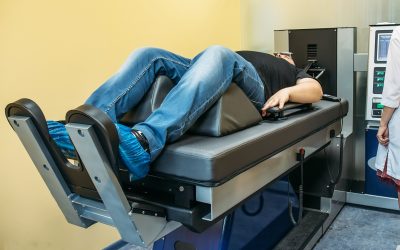
- Pregnancy-friendly tables or cushions that allow the patient to lie comfortably without pressure on the abdomen
- Side-lying positions instead of lying face down
- Low-force adjustments to the sacroiliac joints and pelvis
- The Webster Technique, a specific approach that assesses pelvic balance and related soft tissue tension
- Gentle soft tissue work for tight muscles around the hips and lower back
Chiropractic services for pregnant patients should always be tailored to the individual. Force, positioning, and frequency are adjusted as the pregnancy advances.
What Can You Do at Home to Ease Pelvic Pain?
Small changes in daily habits can reduce strain on the pelvic joints:
- Keep knees together when getting in and out of the car or bed. Swing both legs at once instead of one at a time.
- Sleep with a pillow between your knees to keep the hips level.
- Sit down to get dressed, especially when putting on pants, socks, and shoes.
- Take stairs one step at a time, leading with the less painful leg.
- Avoid carrying a toddler or heavy bag on one hip.
- Take shorter steps when walking, and rest when pain builds.
A maternity support belt may also help some women, especially during longer periods of standing or walking.
When Should You Contact Your OB or Midwife?
Pelvic discomfort is common, but some symptoms need prompt medical attention. Contact your healthcare provider right away if you notice:
- Vaginal bleeding or fluid leakage
- Regular contractions or cramping before 37 weeks
- Fever or pain when urinating
- Sudden, severe pain, or pain that prevents walking
- Numbness or weakness in the legs
Chiropractic care works best as part of a coordinated approach. A prenatal chiropractor should be willing to communicate with a patient’s medical team when needed.
Finding Prenatal Care in Apple Valley, MN
Expecting mothers in Apple Valley, MN and surrounding communities such as Rosemount, Lakeville, and Eagan have local options for pregnancy-focused chiropractic care. East Valley Chiropractic, a chiropractic health center that has served the area for more than 30 years, provides care for patients during and after pregnancy. They also work with infants and children, which allows families to continue care after the baby arrives.
When choosing a provider, it helps to ask:
- Do they have training in prenatal techniques?
- What equipment do they use to keep pregnant patients comfortable?
- Will they coordinate with an OB or midwife if needed?
For more information about prenatal and family chiropractic services in the area, you can learn about their approach as a Prenatal Chiropractor serving Apple Valley families.