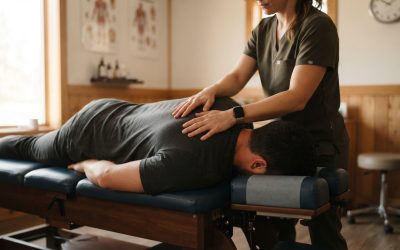
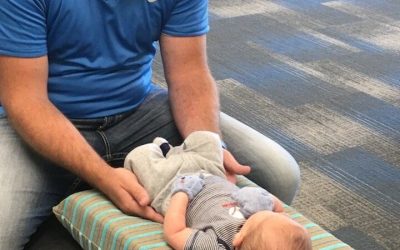
Ongoing low back pain can affect ordinary activities such as walking, standing, sleeping, driving, and completing household tasks. For people in San Carlos, California, who are considering professional care, learning more about Bayside chiropractic and understanding what a chiropractic visit may involve can make it easier to prepare informed questions before an appointment. Chiropractic care is one potential approach to ongoing low back pain, and what is appropriate depends on the individual’s symptoms, health history, goals, and other relevant factors.
The most important expectation is not a guaranteed result or a predetermined treatment schedule. An initial chiropractic visit provides an opportunity to discuss the problem, how long it has been present, what makes symptoms better or worse, previous care, and which everyday activities have become difficult.
Start With a Clear Description of the Low Back Problem
Before any hands-on care is considered, a patient should be prepared to explain how the low back problem affects daily life. Helpful details may include when the symptoms began, whether they have changed over time, which movements or activities are difficult, and whether other health professionals have previously evaluated the problem.
It can also be helpful to provide or discuss:
- Current medications and supplements.
- Previous diagnoses, injuries, surgeries, or significant health conditions.
- Relevant imaging or test results, when available.
- Treatments or approaches that have already been tried and how the patient responded.
- Activities, positions, or movements that seem to aggravate or ease symptoms.
This information provides context for determining whether chiropractic care may be appropriate for the individual’s circumstances.
Because examination procedures can vary among chiropractic practices, patients can also ask what an examination may involve and why particular assessments or approaches are being considered. Understanding the reasoning behind a recommendation is more useful than assuming every chiropractic clinic follows an identical process.
Understand What Spinal Manipulation Means
Spinal manipulation is commonly associated with chiropractic care, but it has a specific meaning. The National Center for Complementary and Integrative Health (NCCIH) explains that spinal manipulation involves applying a controlled thrust to a joint of the spine. NCCIH distinguishes manipulation from spinal mobilization, which does not involve a thrust.
That distinction matters because chiropractic care should not automatically be viewed as a single technique. When spinal manipulation is being considered, a patient can ask what technique is proposed, why it is being recommended, what the intended goal is, and whether other approaches are available.
NCCIH reports low- or moderate-quality evidence that several mind-and-body practices, including spinal manipulation, may be helpful for chronic low-back pain. It also notes that mild, temporary side effects, such as local discomfort or increased pain, can occur after spinal manipulation.
Those qualifications are important. Evidence suggesting potential benefit for a treatment does not guarantee that a particular patient will experience the same result. Individual circumstances should remain part of the decision-making process.
Expect the Conversation to Include More Than Pain Intensity
Pain intensity is important, but it is not the only way ongoing low back problems can be evaluated. NCCIH discusses function in relation to how low-back pain affects activities such as walking, standing, sleeping, and completing household tasks.
This provides a practical framework for discussing goals.
Rather than focusing exclusively on a number on a pain scale, patients may want to identify specific activities that have become uncomfortable or difficult. Depending on the individual, functional goals could involve sitting through a commute, standing long enough to prepare a meal, sleeping with fewer interruptions, completing household activities, or returning to a regular walking routine.
These goals do not mean chiropractic care will necessarily achieve a particular outcome. Instead, they provide concrete points that a patient and chiropractor can discuss when evaluating whether an approach appears useful over time.
Ask How Chiropractic Care Fits With Other Care
There is no single management approach that is appropriate for every person with ongoing low back pain. NCCIH notes that clinical guidelines for chronic low-back pain include multiple nondrug approaches. Spinal manipulation is one possible option rather than a replacement for every other type of care.
Patients who are already receiving care from another health professional should tell the chiropractor about it. Other health care providers should likewise be informed about complementary approaches being considered when that information is relevant to coordinated care. NCCIH encourages people with chronic pain to discuss complementary health approaches with their health care providers so decisions can be made with a more complete understanding of their health.
Questions a patient may want to ask include:
- What is the goal of the proposed chiropractic approach?
- Why is a particular technique being recommended?
- What changes would suggest that the care plan is helping?
- What symptoms or changes should be reported?
- How might chiropractic care fit with other care the patient is receiving?
- Are there circumstances in which the proposed technique would not be appropriate?
- When should progress or the care plan be reassessed?
Clear answers can help patients understand the reasoning behind a proposed approach without relying on vague expectations or promises.
Consider How Low Back Pain Affects Everyday Life in San Carlos
Daily routines can influence the types of functional concerns a patient brings to an appointment. In San Carlos and surrounding Peninsula communities, a typical day may involve a combination of driving, public transportation, walking, standing, or prolonged sitting.
For example, SamTrans says its Central El Camino Real Multimodal Plan includes San Carlos and is intended to improve the walking, biking, rolling, driving, and transit experience along the corridor.
This local context does not establish that commuting, driving, or transportation causes a person’s low back pain. Instead, it illustrates why patients may find it helpful to explain how symptoms interact with their actual daily routines.
A person who spends substantial time sitting or driving may have different functional concerns from someone whose work or daily routine involves prolonged standing or frequent walking. Describing those activities gives the chiropractor more useful information than relying on a generic description such as simply saying that the patient’s “back hurts.”
Know What to Discuss Before Hands-On Care
Patients do not need to arrive at a chiropractic appointment with a self-diagnosis or a preferred technique already selected. The initial discussion can instead focus on providing enough relevant information for the chiropractor to evaluate the situation and explain the options being considered.
If a hands-on approach is proposed, the patient can ask what will happen before it begins. Questions about positioning, the type of technique, its intended purpose, potential temporary reactions, and available alternatives can help establish clearer expectations.
Patients should also disclose relevant health conditions, injuries, medications, surgeries, or other circumstances when asked. The significance of these factors can differ from person to person, which is another reason an individualized assessment matters.
Pay Attention to How Progress Will Be Evaluated
Another useful question at the beginning of care is how progress will be assessed.
A baseline provides a point of comparison for later discussions. Depending on the patient’s circumstances and the chiropractor’s evaluation, this may involve symptoms, physical findings, functional limitations, or a combination of factors.
For example, a patient might initially report that sitting through a commute becomes uncomfortable after a certain period. At a later visit, the patient and chiropractor may discuss whether that activity has changed, along with any other relevant findings.
Tracking functional changes can make conversations about progress more specific. It can also help identify situations in which symptoms are not changing as expected or the care approach may need to be reconsidered.
Look for Explanations, Not Guarantees
A productive chiropractic consultation should provide a clearer understanding of what is being considered and why. Patients can ask about the proposed technique, its intended purpose, how progress will be evaluated, what temporary reactions may occur, and when the plan should be reassessed.
Claims of guaranteed outcomes should not form the basis of expectations. NCCIH characterizes evidence regarding spinal manipulation for chronic low-back pain with important qualifications and discusses potential benefits in measured terms.
That is a useful framework for approaching chiropractic care more generally. Decisions should reflect the patient’s individual circumstances, health history, functional goals, and an informed discussion of the potential benefits, limitations, and alternatives associated with a proposed approach.
For someone experiencing ongoing low back pain in San Carlos, preparing a brief summary of symptoms, relevant health history, previous care, and everyday activities affected by the problem can help make an initial chiropractic appointment more focused. The goal is not for the patient to diagnose the condition independently but to provide enough context for an informed conversation about whether chiropractic care may be appropriate.
About Bayside Chiropractic
Bayside Chiropractic is a chiropractic practice serving San Carlos, California. Individuals interested in learning more about the practice can view Bayside Chiropractic’s Google Business Profile or call (650) 591-1002 for information about care and scheduling.