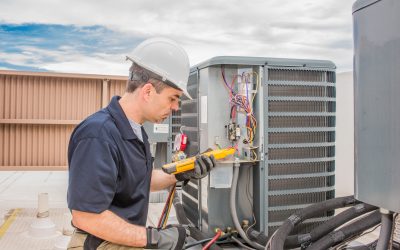
• Rising energy bills, uneven temperatures, and unusual noises are the most common signs a Greenville home needs professional HVAC attention.
• Comparing DIY fixes against professional diagnostics helps homeowners decide when a service call is worth the cost.
• Local technicians with NATE and NCI certification can identify airflow, refrigerant, and electrical problems before they become costly breakdowns.
Greenville homeowners searching for signs their system needs service usually want one answer: is this a quick fix or a bigger problem. In most cases, a licensed technician can diagnose the issue during a single visit and recommend repair or replacement based on the system’s age and condition.
Anyone comparing HVAC Repair Greenville SC options will notice that most reputable providers in the area are first-step companies, meaning they check the current system before recommending a full replacement. That approach matters in Greenville’s climate, where summer humidity and winter cold snaps both put heavy strain on residential systems throughout the year.
Cooling Problems That Send Homeowners Searching for Repair
South Carolina summers push air conditioners to their limits, and several issues show up repeatedly in service calls across the Upstate.
• Weak or uneven airflow – Often caused by a clogged filter, blocked vents, or duct leakage that forces the system to work harder than it should.
• Water leaks or pooling near the unit – Typically tied to a clogged condensate drain line or a frozen evaporator coil that has started to thaw.
• Warm air blowing from vents – Can point to low refrigerant, a failing compressor, or a thermostat malfunction.
• Short cycling – The unit turns on and off rapidly, which according to ENERGY STAR guidance places excessive wear on the compressor and shortens equipment life.
Many of these symptoms overlap, which is why a trained technician relies on diagnostic tools rather than guesswork. A simple filter change sometimes resolves what feels like a major malfunction, while other times the same symptom signals a refrigerant leak that needs immediate attention.
Heating Issues Common in Upstate South Carolina Homes
Winter in Greenville is milder than much of the country, but furnaces and heat pumps still face seasonal stress, especially after sitting idle for months.
1. No heat or insufficient heat – Frequently linked to a faulty igniter, pilot light issue, or thermostat miscommunication.
2. Strange noises during startup – Banging, rattling, or squealing sounds often indicate loose components or a failing blower motor.
3. Frequent cycling or inconsistent room temperatures – Suggests ductwork problems or a system that is undersized or oversized for the home.
4. Rising utility bills without a change in usage – A classic sign that the system is losing efficiency and working harder to maintain the same comfort level.
Local technicians note that systems making unusual noises, failing to hold a set temperature, or driving up energy costs usually need a diagnostic visit rather than a wait-and-see approach.
DIY Checks vs. Professional Repair: A Side-by-Side Comparison
Not every issue requires a service call, but knowing the difference saves time and money.
|
Issue |
Homeowner Can Try |
Needs a Licensed Technician |
|
Dirty air filter |
Yes, replace every 1-3 months |
No, unless airflow stays weak after replacement |
|
Tripped breaker |
Yes, reset once |
Yes, if breaker trips repeatedly |
|
Thermostat unresponsive |
Yes, check batteries and settings |
Yes, if wiring or calibration is suspected |
|
Warm air, strange smells, or leaks |
No |
Yes, always |
This kind of first-pass troubleshooting mirrors guidance from HVAC safety resources, which recommend starting with thermostat settings, filters, and breakers before assuming the worst. If those checks do not resolve the problem, a professional inspection is the next step.
Choosing a Repair Approach That Fits the Problem
Deciding between a repair and a replacement often comes down to the age of the equipment and the frequency of past service calls. Systems older than ten years that require repeated repairs tend to cost more to maintain than to replace, particularly as energy bills climb alongside declining efficiency. A technician who inspects the system first, rather than pushing straight to replacement, gives homeowners a clearer picture of whether a repair makes financial sense.
Greenville’s humidity and seasonal temperature swings mean that regular maintenance, not just reactive repairs, plays a real role in preventing breakdowns. Scheduling a seasonal tune-up before peak summer or winter demand can catch small issues, like a minor refrigerant leak or a worn capacitor, before they turn into a no-cool or no-heat emergency.
Frequently Asked Questions
How do I know if my AC issue is an emergency? Warm air blowing during a heat wave, water leaking near the indoor unit, or a complete shutdown are situations that typically need same-day attention rather than a scheduled appointment.
Can a dirty filter really cause major HVAC problems? Yes. A clogged filter restricts airflow, which can cause coils to freeze in summer or force a furnace to overheat in winter, leading to bigger repair needs down the line.
Is it worth repairing an older HVAC system? It depends on the unit’s age and repair history. Equipment over ten years old that needs frequent repairs often costs more over time than replacing it with a newer, more efficient model.
How often should Greenville homeowners schedule HVAC maintenance? Most manufacturers and technicians recommend a seasonal check twice a year, once before summer cooling season and once before winter heating season, to catch small issues early.
Homeowners dealing with any of these warning signs benefit from a straightforward diagnostic visit rather than guessing at the cause. Davis Services, Inc. has served the Greenville area with residential heating and cooling repair, and its technicians check the existing system first to confirm whether a repair or a full replacement makes the most sense for the home.