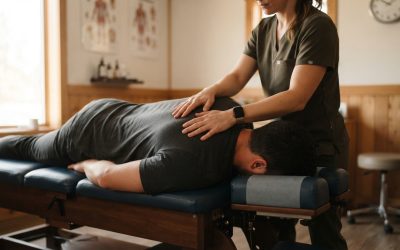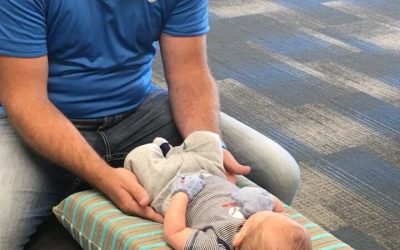
Family chiropractic addresses different movement needs by evaluating each person individually instead of applying the same care plan to every household member. A child, working adult, active parent, and older adult may share a home, but their movement patterns, physical demands, health histories, and care goals can be very different.
A family-focused chiropractic office considers those differences when evaluating discomfort, mobility limitations, posture, joint movement, and everyday function. The purpose is to understand what may be contributing to each person’s concern and whether chiropractic services are appropriate.
Why Do Movement Needs Differ Between Family Members?
Movement needs change throughout life. Children are growing and developing coordination, while adults may be managing work demands, household responsibilities, exercise, or the effects of previous injuries.
Older family members may notice changes in balance, flexibility, joint motion, or recovery time. Even two adults of the same age can have very different needs depending on their occupations, activity levels, medical histories, and daily routines.
One person may spend most of the day sitting at a computer. Another may stand, lift, drive, care for children, or participate in sports. These repeated activities place different demands on the neck, back, hips, knees, and other joints.
Because of these differences, family chiropractic care should begin with an individual assessment rather than a household-wide treatment formula.
How May Chiropractic Care Differ for Children?
Children are not simply smaller adults. Their bodies are still developing, and their evaluations should reflect their age, size, comfort, activity level, and stage of growth.
A chiropractor may ask parents about recent growth, sports participation, falls, backpack use, sleep positions, and changes in movement. The physical evaluation may include observing how the child walks, bends, balances, turns, or uses both sides of the body.
Not every uneven movement pattern indicates a problem. Children may temporarily appear less coordinated during growth spurts or while learning new physical skills. Careful observation helps determine whether a pattern appears temporary, causes discomfort, or deserves further evaluation.
When chiropractic care is considered, the approach should be age-appropriate and based on the child’s specific findings.
What Movement Concerns May Affect Working Adults?
Adults often develop movement concerns related to repetitive tasks. Prolonged sitting, driving, lifting, standing, carrying equipment, and using handheld devices can all influence how the body moves throughout the day.
A desk-based worker may experience stiffness after remaining in one position for long periods. A parent may develop uneven hip or lower back tension from repeatedly carrying a child on the same side. Someone with a physically demanding job may notice discomfort during lifting, bending, or reaching.
A chiropractic evaluation may review when symptoms occur, which activities aggravate them, and whether movement becomes easier after rest or activity. The chiropractor may also assess joint movement, posture, muscle tension, and functional range of motion.
The care plan should reflect the individual’s actual routine rather than relying only on the location of the discomfort.
How Can Active Family Members Have Different Needs?
Active family members may participate in running, cycling, golf, tennis, school sports, fitness classes, or recreational activities. Each activity involves different movement patterns and areas of repeated stress.
A runner may be concerned about hip, knee, or ankle movement. A golfer may notice limited rotation through the back or shoulders. A child involved in sports may experience discomfort related to rapid growth, repetitive practice, or a recent fall.
Chiropractic services for active individuals may focus on mobility, joint function, movement restrictions, and return to comfortable activity. However, persistent swelling, significant weakness, inability to bear weight, or severe pain may require medical evaluation before chiropractic treatment is considered.
What May Older Adults Need From a Chiropractic Office?
Older adults may seek care for stiffness, reduced mobility, difficulty completing daily tasks, or discomfort related to long-standing joint changes. Their evaluation should consider medical history, medications, balance concerns, previous surgeries, bone health, and current activity level.
The goal may not be to restore the same movement available earlier in life. Instead, care may focus on maintaining comfortable function, improving tolerance for routine activities, and supporting safe movement.
A chiropractor may modify techniques and positioning based on the person’s comfort and health history. Lower-force approaches or coordination with another healthcare provider may be appropriate in some cases.
Why Should Each Person Receive a Separate Evaluation?
Family members may describe similar symptoms while having different underlying concerns. Two people can both experience lower back discomfort, but one may notice it after prolonged sitting while the other feels it during lifting or walking.
An individual evaluation may include:
- A review of symptoms and health history
- Discussion of work, school, sports, and home activities
- Observation of posture and movement
- Joint mobility and range-of-motion checks
- Appropriate neurological or orthopedic screening
- Review of previous injuries or treatment
This process helps determine whether chiropractic care fits the person’s needs. It also helps identify symptoms that may require referral to a pediatrician, primary care provider, physical therapist, or another healthcare professional.
Can Families Follow the Same Chiropractic Schedule?
Not necessarily. Appointment frequency should depend on individual findings, response to care, health history, and functional goals.
A child being evaluated for a temporary movement concern may have a different plan than an adult managing recurring stiffness. An older adult with long-standing mobility limitations may also need a different approach from someone recovering from a recent activity-related strain.
Care should be reassessed rather than continued automatically. Changes in movement, comfort, sleep, work tolerance, and daily activity can help determine whether the plan remains appropriate.
What Should Bellevue Families Look for in Chiropractic Care?
People searching for a family chiropractor near me should look beyond convenience alone. A suitable chiropractic office should explain its evaluation process, adapt care to different ages, screen for concerns outside chiropractic scope, and provide clear recommendations.
Families should also feel comfortable asking how techniques are modified for children, adults, and older patients. The chiropractor should discuss expected goals without guaranteeing a particular result.
Bellevue families can review additional information from Mercer Island Chiropractic about family chiropractic and individualized care for people with different movement concerns.
How Can One Household Support Better Movement?
Family chiropractic can provide one point of care for several household members, but each person should still be treated as an individual. Age, development, daily responsibilities, physical activity, previous injuries, and medical history all influence movement needs.
A thoughtful evaluation helps clarify whether a concern may respond to chiropractic care, should be monitored, or requires another type of healthcare. This individualized approach allows families in Bellevue, WA, to make informed decisions based on function and clinical findings rather than using the same solution for everyone.