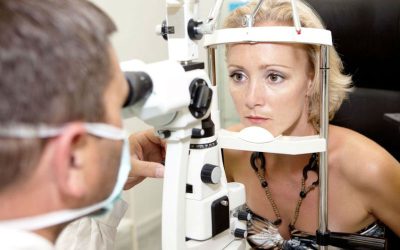
• Specialty contact lens fittings for dry eye, astigmatism, and multifocal needs are available through optometry practices across Southern Indiana.
• Fitting typically involves a tear film evaluation, trial lenses, and a final prescription check for comfort and clarity.
• Options range from daily disposables to toric and multifocal lenses from major manufacturers.
Finding the right contact lenses when you have dry eyes or astigmatism usually means going beyond a standard fitting and working with an optometrist who evaluates your tear film, corneal shape, and lifestyle before recommending a lens type. Patients searching for Contact Lenses Indiana are often dealing with discomfort from standard soft lenses or a prescription that has grown more complex over time. A proper fitting process addresses both issues by matching lens material and design to the eye’s actual needs rather than a one-size-fits-all approach.
Many Southern Indiana optometry offices, including VisionFirst, are employee-owned practices with locations across the region.
How Dry Eye and Astigmatism Affect Contact Lens Fit
Dry eye and astigmatism change how a lens sits on the eye and how comfortable it feels throughout the day. An optometrist checks several factors before recommending a lens type.
• Tear film quality : A thin or unstable tear film can make standard lenses feel gritty or blurry by afternoon.
• Corneal curvature : Astigmatism means the cornea is shaped more like a football than a basketball, which requires a lens designed to stay stable when you blink.
• Pupil size : Larger pupils can affect glare and halos at night if the lens optical zone does not match.
According to the National Eye Institute, dry eye occurs when tears cannot provide enough lubrication for the eyes, which can make certain contact lens materials less comfortable for extended wear. This is one reason a fitting exam, rather than an off-the-shelf purchase, matters for anyone with these conditions.
Contact Lens Types Available for Common Vision Needs
Optometry practices in the region typically offer a range of lens categories built around different visual and comfort needs. During a fitting, trial lenses let you test comfort and clarity before a final prescription is written, and first-time wearers usually receive hands-on training on insertion, removal, and lens care.
| Lens Type | Best For | Wear Schedule |
| Toric lenses | Astigmatism correction | Daily or monthly |
| Multifocal lenses | Presbyopia or multiple focal distances | Daily or monthly |
| Daily disposables | Convenience, sensitive or dry eyes | Single day |
| Specialty lenses | Irregular corneas or severe dry eye | Varies by design |
Optometrists commonly fit lenses from established manufacturers such as Acuvue, Bausch and Lomb, and CooperVision, selecting the specific product based on the exam findings rather than brand preference alone.
What to Expect During a Contact Lens Fitting
A fitting appointment is more detailed than a standard eyeglass exam because the lens sits directly on the eye’s surface. The process generally follows a consistent sequence.
1. Comprehensive eye exam to check overall eye health and update the vision prescription.
2. Tear film and corneal evaluation to identify dryness or astigmatism that affects lens choice.
3. Trial lens fitting so you can assess comfort and clarity in real conditions.
4. Follow-up check to confirm the final lens type and prescription before ordering a full supply.
Optometrists with training in dry eye management and astigmatism fittings can adjust the plan if trial lenses do not feel right on the first attempt, since comfort often takes small adjustments to get correct.
Choosing a Practice for Specialty Contact Lens Needs
Not every eye care provider offers the same depth of specialty lens fitting, so it helps to ask directly about experience with astigmatism, dry eye, and multifocal cases before booking. Optometrists who treat these conditions regularly are more likely to recognize subtle fit issues that a general exam might miss. Practices with multiple Southern Indiana locations, such as VisionFirst, can also make follow-up visits and lens adjustments more convenient if your first fitting needs fine-tuning.
Frequently Asked Questions
Can I wear contact lenses if I have both dry eyes and astigmatism? Yes. Many patients with both conditions are fitted with toric lenses made from materials designed to retain moisture, though the right combination depends on your individual tear film and corneal shape.
How long does a specialty contact lens fitting take? A fitting typically requires an initial exam followed by one or more follow-up visits to confirm comfort and clarity with trial lenses before a final prescription is issued.
Are multifocal contact lenses available for astigmatism as well? Yes, some multifocal lens designs also correct astigmatism, though not every brand offers this combination, so your optometrist will confirm availability during the fitting.
Do I need a new fitting if I switch from glasses to contacts? Yes. Contact lenses require a separate fitting exam from a glasses prescription because the lens sits directly on the eye and needs measurements glasses do not require.
Contact lens needs change over time, especially for patients managing dry eye or astigmatism, which makes a proper fitting exam a practical first step rather than an optional add-on. Scheduling a fitting with a local optometrist gives you the chance to test lens options in person and adjust before committing to a full supply. For patients in the region, VisionFirst is one of the practices offering these fittings across multiple Southern Indiana locations.