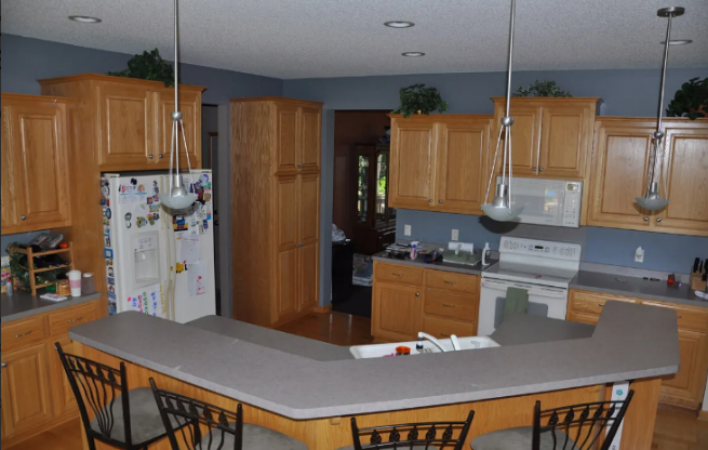
Kitchen countertops face constant use, from quick breakfasts to weekend meal preparation, so a surface needs to look good while standing up to daily demands. Homeowners researching Granite Countertops Hopkins MN are often comparing durability, maintenance, appearance, and long-term value. Granite is a natural stone that can meet those needs when it is selected carefully, installed correctly, and maintained with a few consistent habits.
Why Granite Works in a Busy Kitchen
Granite forms naturally under intense heat and pressure, creating a dense stone with distinctive mineral patterns. Each slab has its own mix of color, veining, and grain, making it possible to choose a surface that feels personal rather than mass-produced. Neutral shades can complement many cabinet styles, while bolder patterns can become a focal point.
Its hardness makes granite well suited to everyday kitchen activity. It resists scratches better than many softer countertop materials, although it is not indestructible. Heavy cookware, sharp knives, or dropped objects can still cause damage, particularly near edges and corners. Using cutting boards and handling heavy items carefully helps preserve the surface.
Granite also tolerates heat better than many countertop options. A hot pan may not immediately harm the stone, but sudden temperature changes can stress the material or affect its sealant. Trivets remain the safest choice for hot cookware. These simple precautions help keep the countertop attractive through years of cooking and gathering.
Choosing a Slab That Fits Your Space
A sample is useful for narrowing down preferences, but viewing the actual slab is important because natural stone varies. Examine the full pattern, color shifts, and any prominent markings. If several connected countertop areas will be installed, consider how the pattern may appear across seams and whether the pieces can be arranged for a balanced look.
Bring cabinet, flooring, and backsplash samples when evaluating stone. Granite can look different under showroom lighting than it does in a home, and nearby colors influence how its undertones appear. A warm-toned slab may pair naturally with wood cabinets, while a cooler gray or white option can suit a more modern palette. Lighting, including under-cabinet fixtures, also affects the final impression.
Think beyond appearance when comparing options. A busy pattern may disguise crumbs and small marks, while a lighter, more uniform surface may make a compact kitchen feel open. Consider how much counter space is available, where seams will fall, and whether the chosen edge profile suits the room’s style and daily use.
Care That Keeps Maintenance Manageable
Granite care is straightforward when spills are addressed promptly. Wipe the surface with a soft cloth, warm water, and a mild, stone-safe cleaner. Avoid abrasive powders and strongly acidic products, such as vinegar or lemon-based cleaners, which may dull the finish or damage the protective sealer over time. For routine cleaning, gentle products are usually enough.
Sealing helps reduce the stone’s absorption of liquids, but the right schedule depends on the granite and the sealer used. Some surfaces need sealing more often than others. Rather than relying on a fixed calendar, ask the installer for care guidance and periodically test the surface: place a few drops of water on it and observe whether they bead or darken the stone. If the water absorbs quickly, it may be time to reseal.
Blot spills instead of spreading them, especially spills from wine, coffee, oil, or brightly colored foods. Avoid standing or sitting on the countertop, since pressure on an overhang can cause cracks. With these everyday habits, granite can remain attractive without demanding complicated upkeep.
Planning for a Successful Installation
Accurate measurements are essential because walls are not always perfectly straight, and kitchens often include corners, sinks, cooktops, and other cutouts. A professional template made after cabinets are installed helps account for the actual layout. Before fabrication, confirm sink placement, faucet holes, seam locations, edge style, and overhang dimensions.
Cabinets must be level and strong enough to support the stone. This is particularly important around dishwashers, long spans, and seating areas. Discuss support requirements before installation so that brackets or other reinforcement can be planned where needed. Clear access to the kitchen also helps the installation team move large, heavy pieces safely.
After installation, inspect the countertop with the installer. Check that seams are tidy, edges are smooth, cutouts align with fixtures, and the surface is stable. Ask which cleaner and sealer are appropriate, how soon the countertop can be used, and what to do if a chip or stain appears. Knowing these details makes ongoing care easier.
Balancing Cost and Long-Term Value
The price of a granite countertop depends on the selected stone, kitchen dimensions, fabrication details, edge treatments, cutouts, and installation requirements. A straightforward layout may involve less fabrication than one with many corners or specialized features. When comparing estimates, review what each includes, such as templating, delivery, installation, and sink cutouts.
It is also helpful to weigh initial cost against expected service life and daily enjoyment. Choosing a slab that suits the kitchen, then protecting it with sensible cleaning and use habits, can make the investment worthwhile for many years. Careful planning brings together durability, easy maintenance, and a finished look that feels at home in the space.
For homeowners comparing stone surfaces, Granite Unlimited Inc. offers a reliable local partner for planning, selecting, and installing a countertop that suits everyday cooking. Its guidance can help Hopkins residents make a confident, lasting choice for their kitchens and homes.